
Euskal Txerri, the basque pig
Quality, result of a slow process
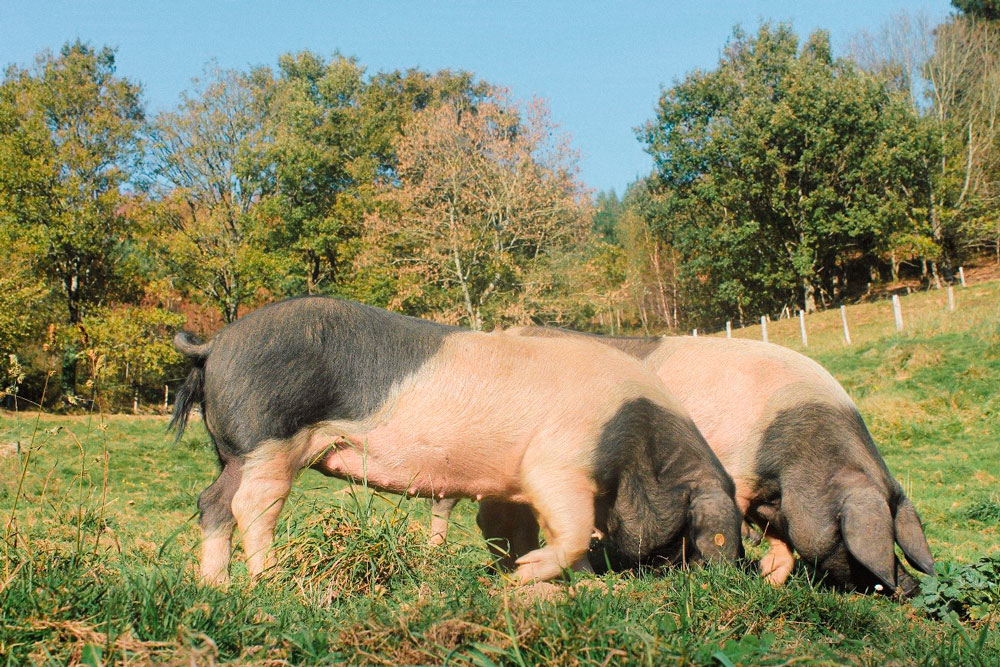
Euskal Txerri’s (Basque Pig) main trait is its big, droopy ears over the eyes to the nose, which are dragged while routing for fruit or eating fresh grass. Both the head and the rump are black. Free-roaming animals, and as their circle of life and curing period is preserved, high quality products are created.
In the process of being recovered
Up until 1974 there used to be three native species in Euskal Herria: Baztan pig, Txato or Muturmotz from Vitoria-Gasteiz; and Euskal Txerri, that once the other two became extinct is the only surviving one.
In the process of being recovered
Currently, one farmhouse works on the recovery of the Euskal Txerri pig and produces derived products: chorizo, ham, loin, salchichón, pancetta, chistorra, pâtés…
On the verge of extinction
In 1929 there were a total of 158,000 pigs according to the census, while in the 1990s there were only 25. Nowadays there are around 4,000.
Natural food
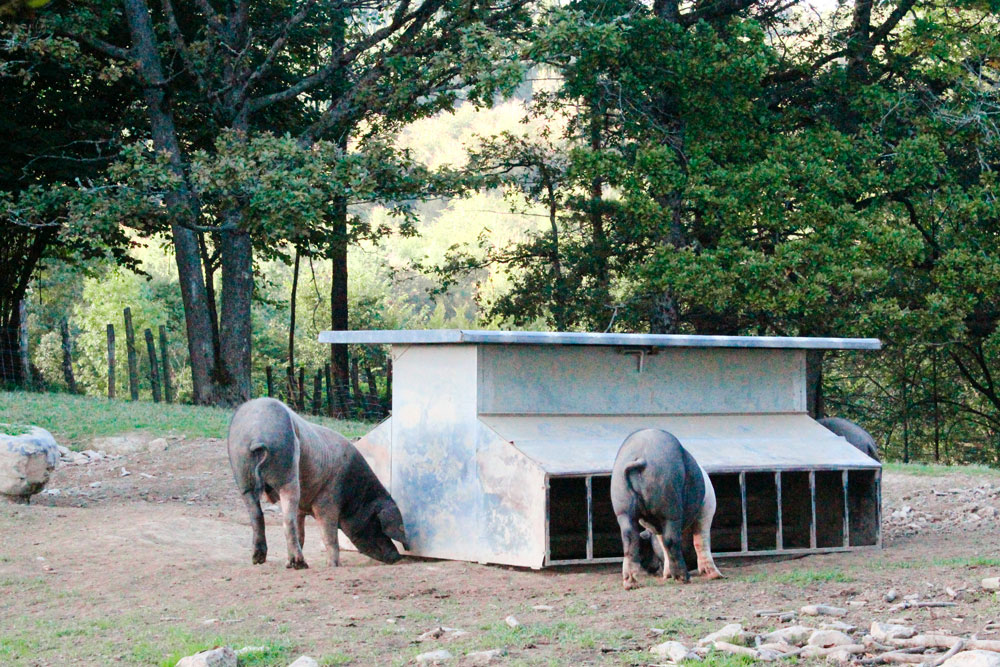
The pigs are free-roaming in the woods, and eat naturally a diet based on chesnut, acorn, hazelnut and grass. Their diet is controlled the two months prior to slaughtering and during winter, using grain, bean and cereal, never genetically modified.
Breeding
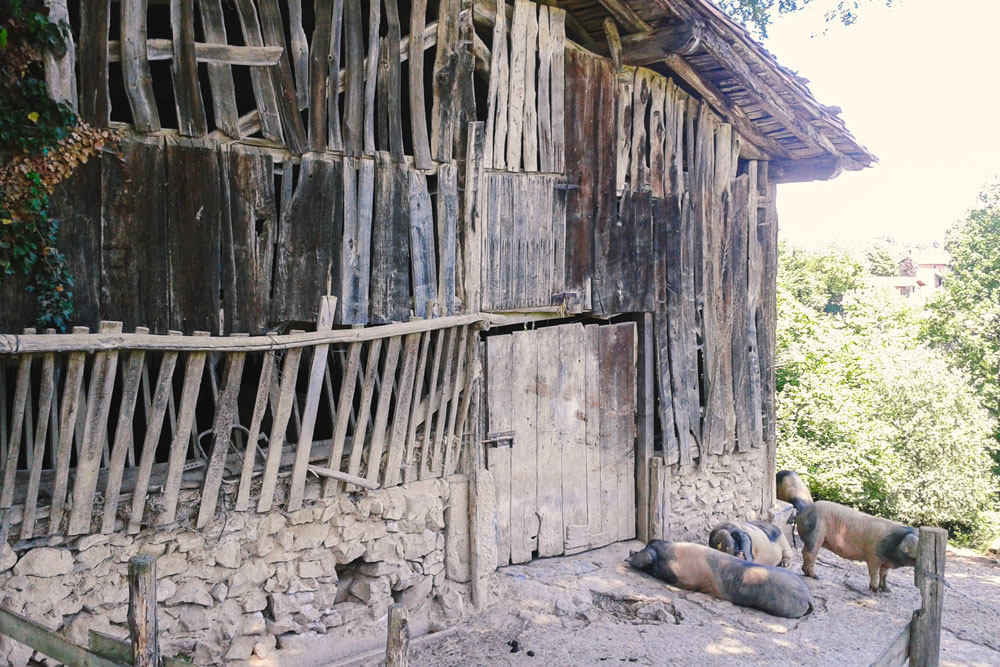
After free-breaming during the pregnancy, the piglets are born in the barn, over a hay bedding that is changed everyday. The mother stays in the barn until she’s back in the woods, once the piglets are 40 days old. The piglets start living outside when they’re 4-5 months old.

Slow growth
The fattening takes almost wo years, until they reach 120-140kg. The fact that this time period is respected is what guarantees the quality of the products.
Slow Food models
As the breeding, curing and maturing periods are respected, very high quality and tasty products are made.
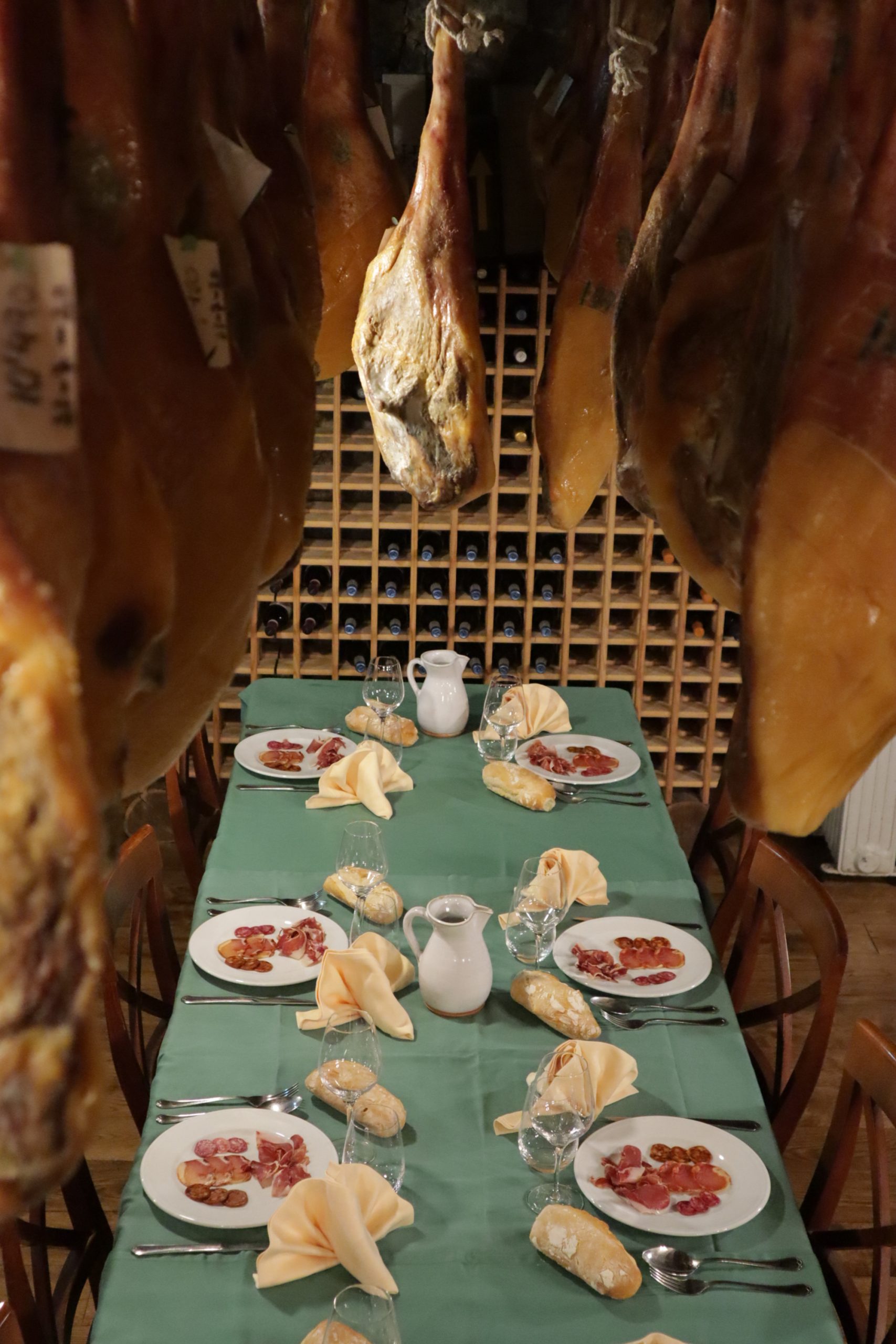
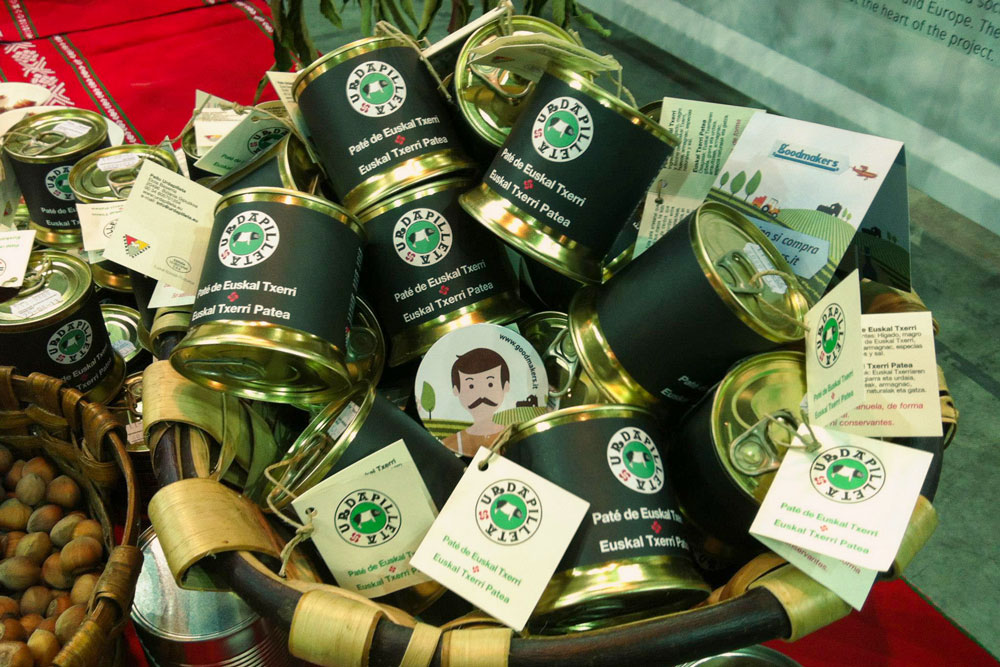
The Tolosaldea farm
Currently, one farmhouse works on the recovery of the Euskal Txerri pig and produces derived products: chorizo, ham, loin, salchichón, pancetta, chistorra, pâtés…
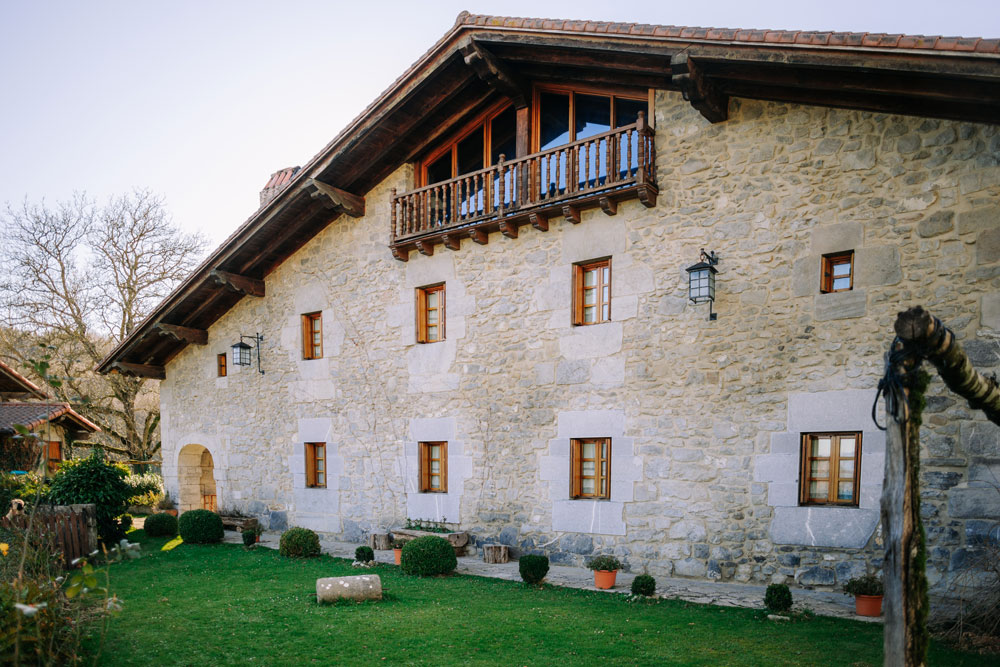
Urdapilleta
Located in the historical and elegant Elola Azpikoa farmhouse in Bidania-Goiatz, they have around 400 pigs free-breaming in the surrounding 54 hectare forest. Guided tours thoughout the forest available to see the pigs around beech trees, oak trees, walnut trees and chesnut trees; includig a tasting in the farmhouse.
Where to stay
+ SEE ALL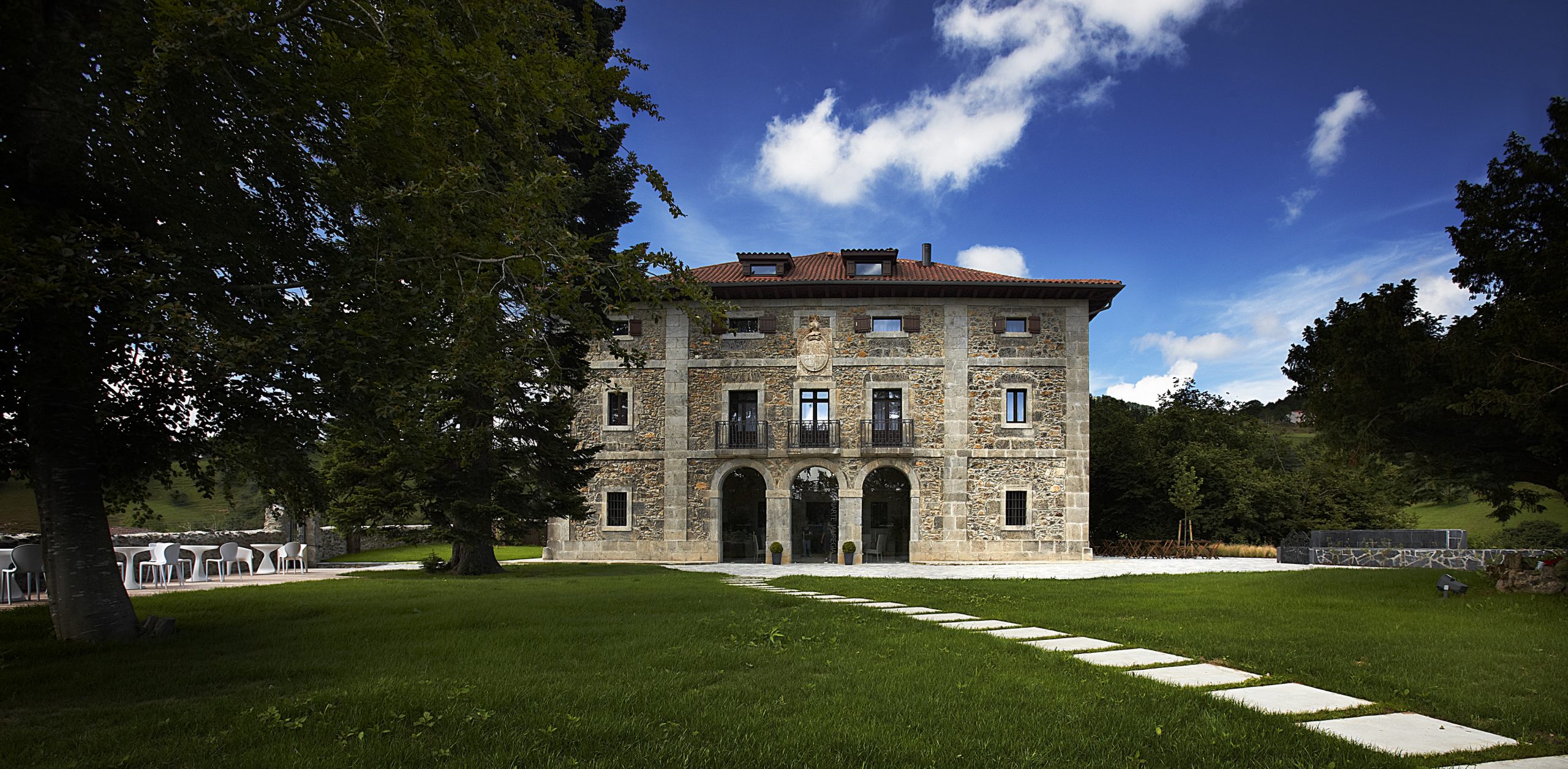
IRIARTE JAUREGIA ****
Bidania-Goiatz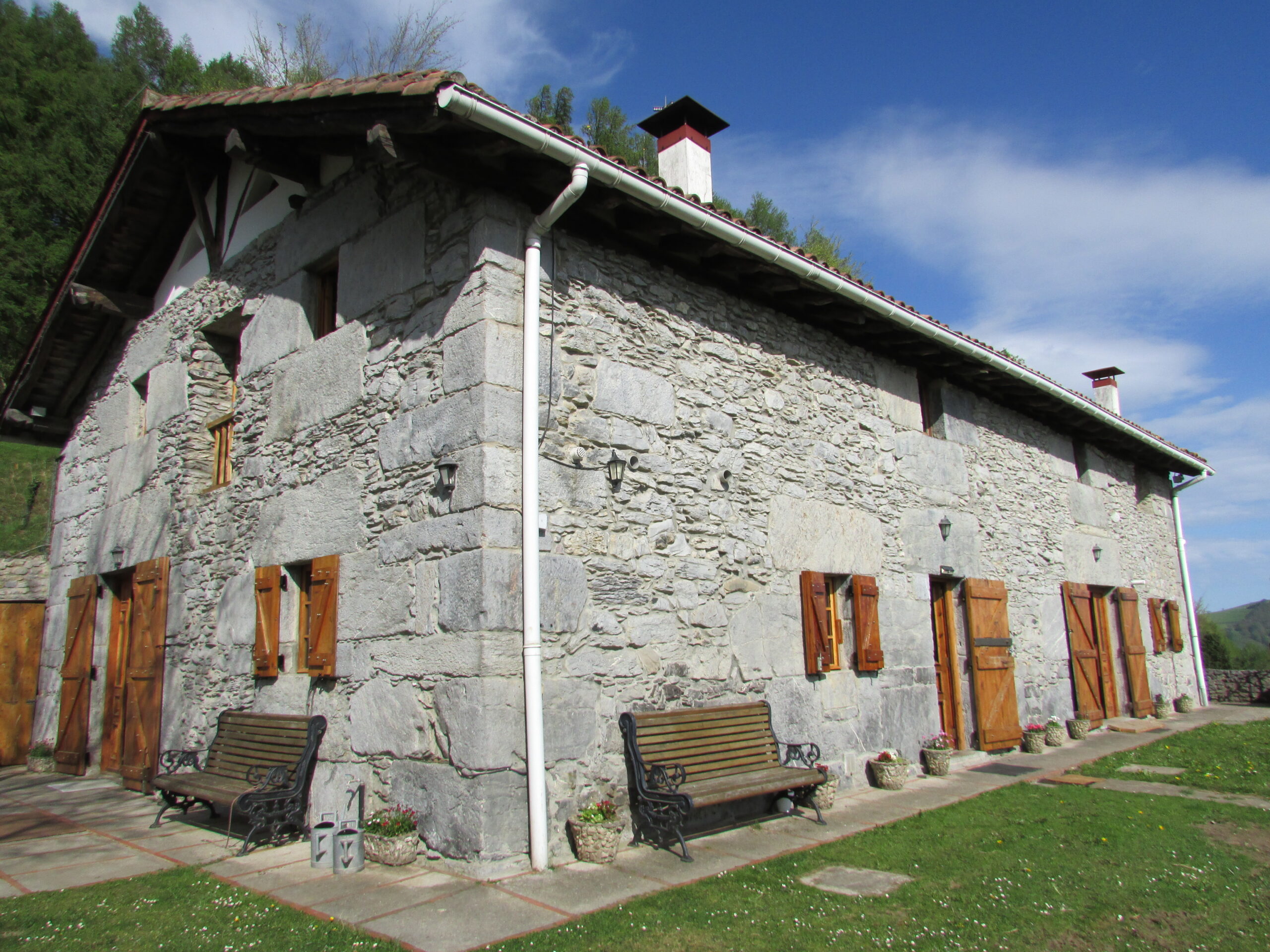
AGERRE BERRI
Larraul (a 2.5 KM de Bidania-Goiatz)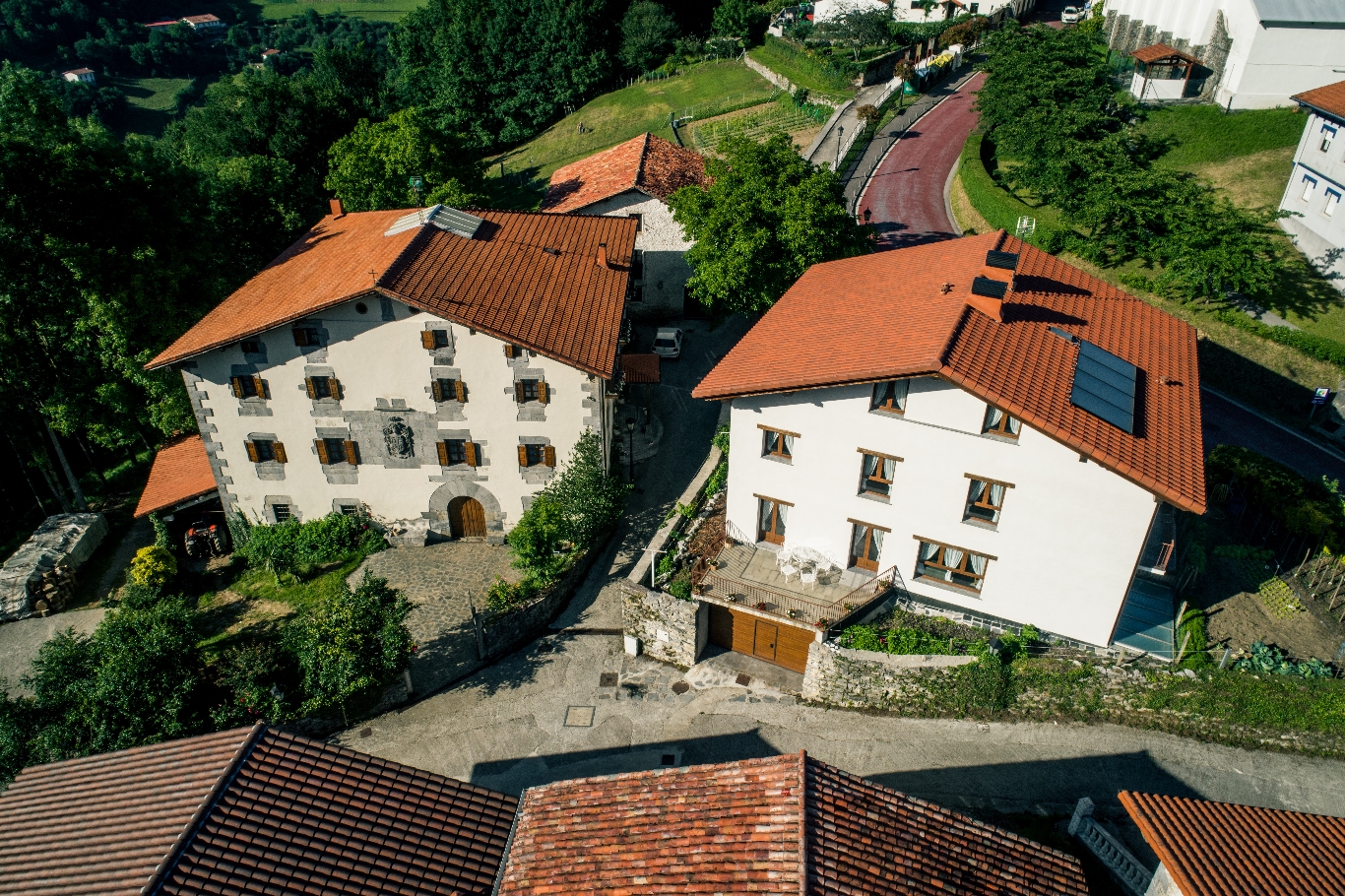
LETE
Alkiza (a 2.5 KM de Bidania-Goiatz)Where to eat
+ SEE ALL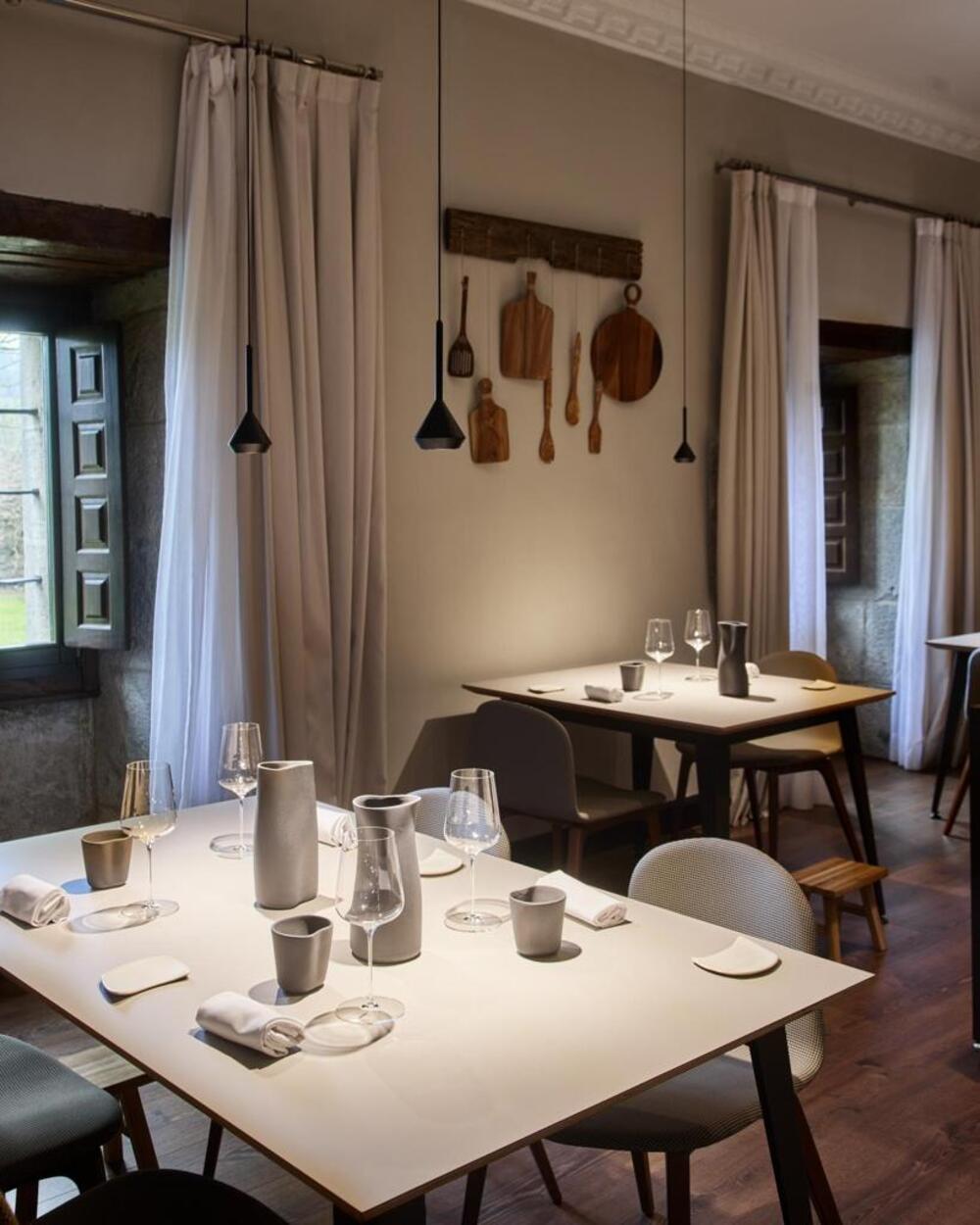
BAILARA
Bidania-Goiatz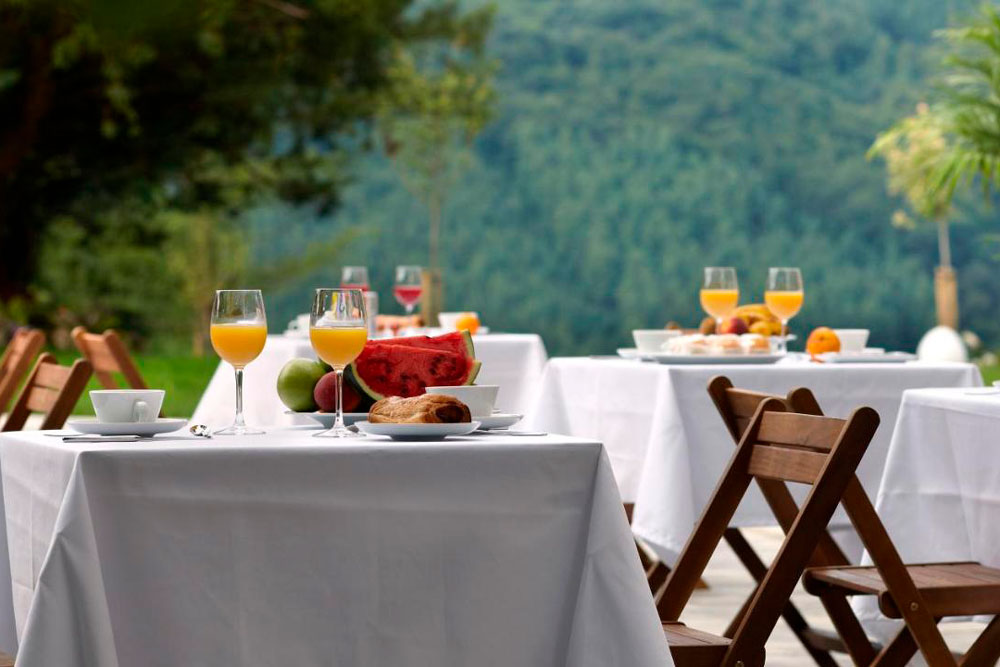
BISTRO IJH
Bidania-Goiatz