
Anoeta
Footprints of the Iron Age
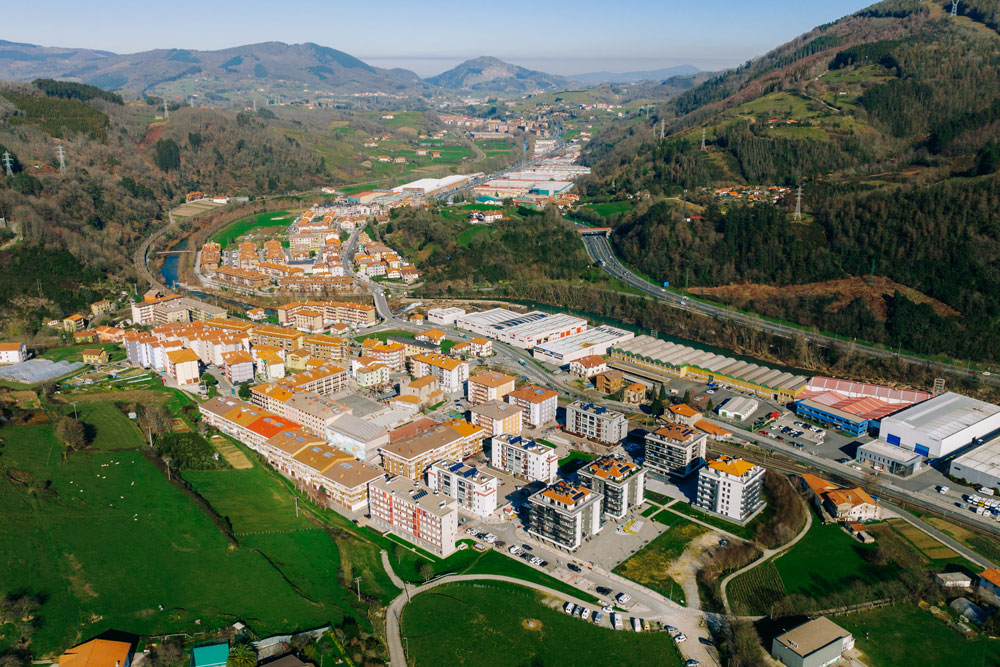
Separated from Irura by the Oria river, Anoeta is known for its rural landscape, full of farmhouses and for being the place where an Iron Age settlement was located: Basagain. One of Gipuzkoa’s most important archaeological sites.
2095 habitantes
Corpus Christi, 16th June
Qué ver en Anoeta
Anoeta is a place where the present coexists with a remote past. Its greatest treasure is the Basagain archaeological site, an Iron Age settlement that has revealed the oldest urban plans in the region. In the town center, the Church of San Juan and historical farmhouses like Argindegi coexist with more modern spaces, such as the Ieratxulo Mill.
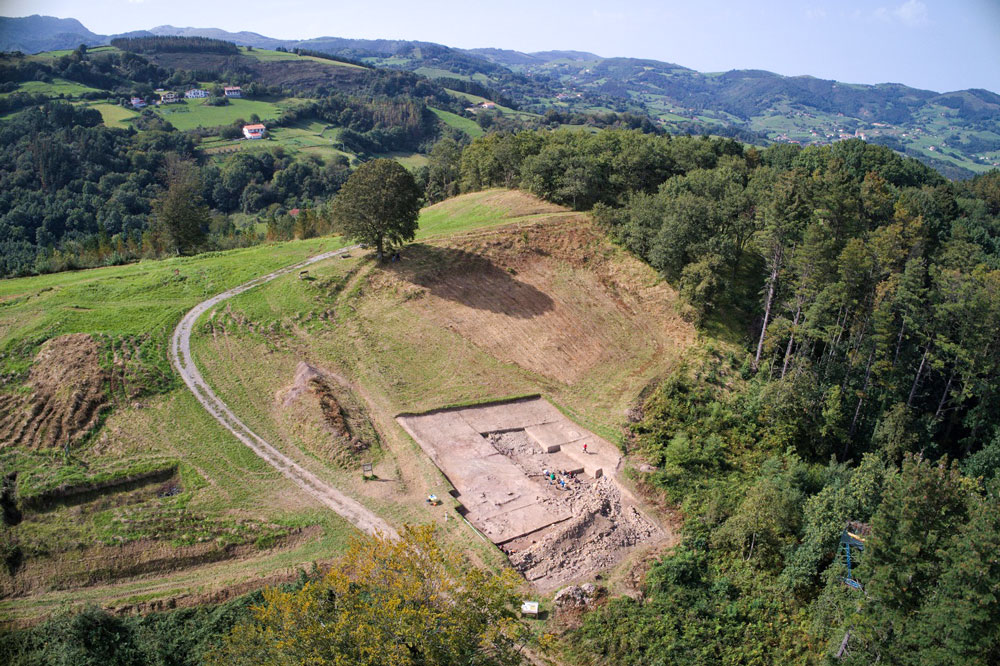
Basagain: remains of a prehistoric settlement
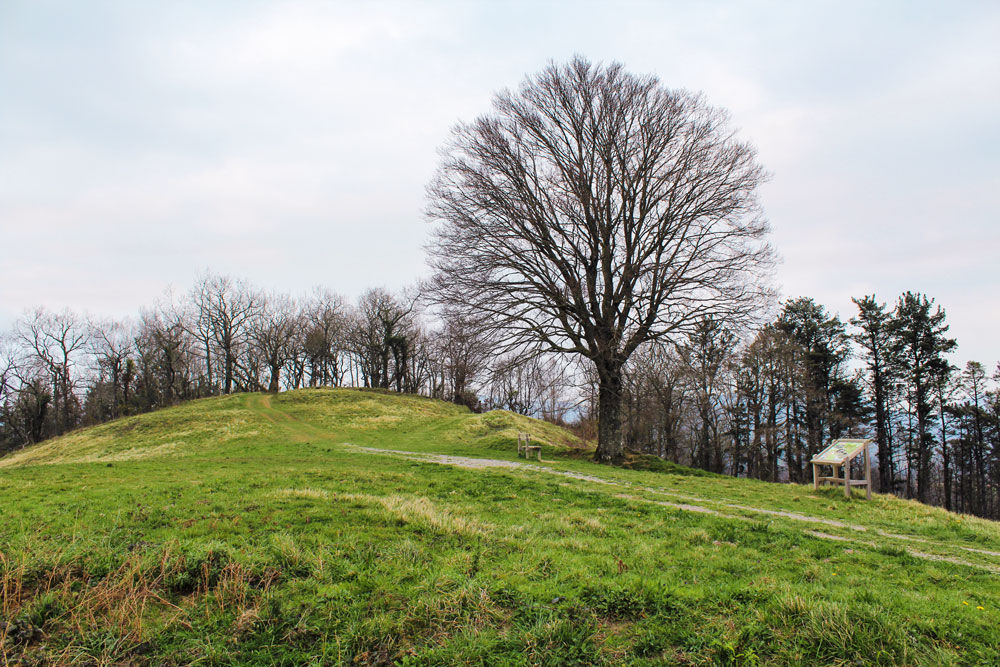
On Basagain’s vantage point a walled settlement was located here on the Iron Age, about 2,000 to 2,500 years ago. This site was discovered in 1989. Archaeological digs take place every year, where what it could be the Basque Country’s first prehistorical urban map was found. Many other pieces found here are displayed at San Telmo museum in St. Sebastian, or kept at the Centre of Patrimonial Colections.
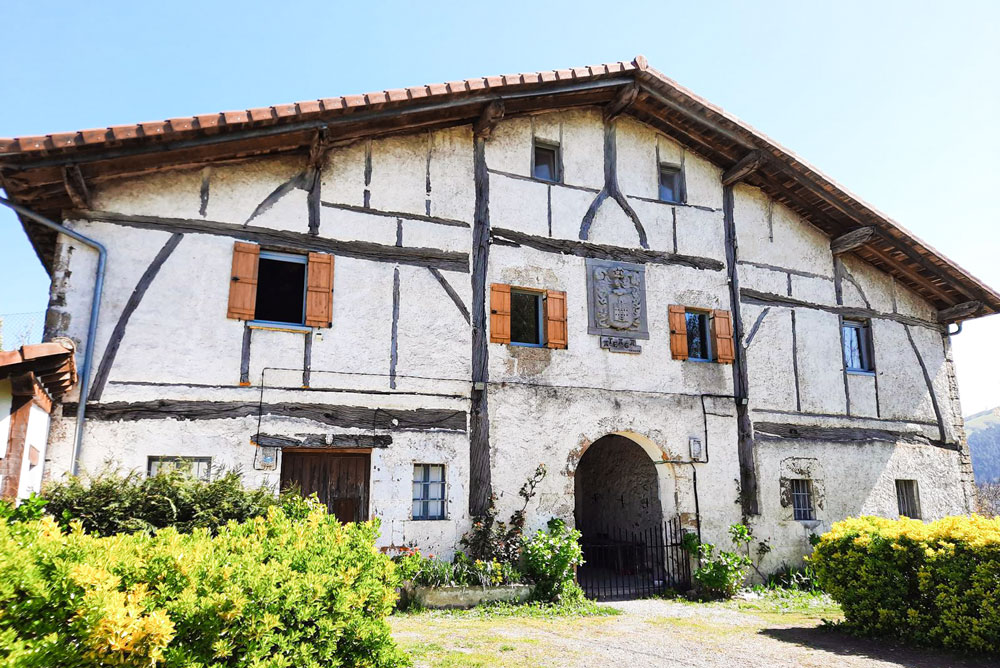
Old farmhouses
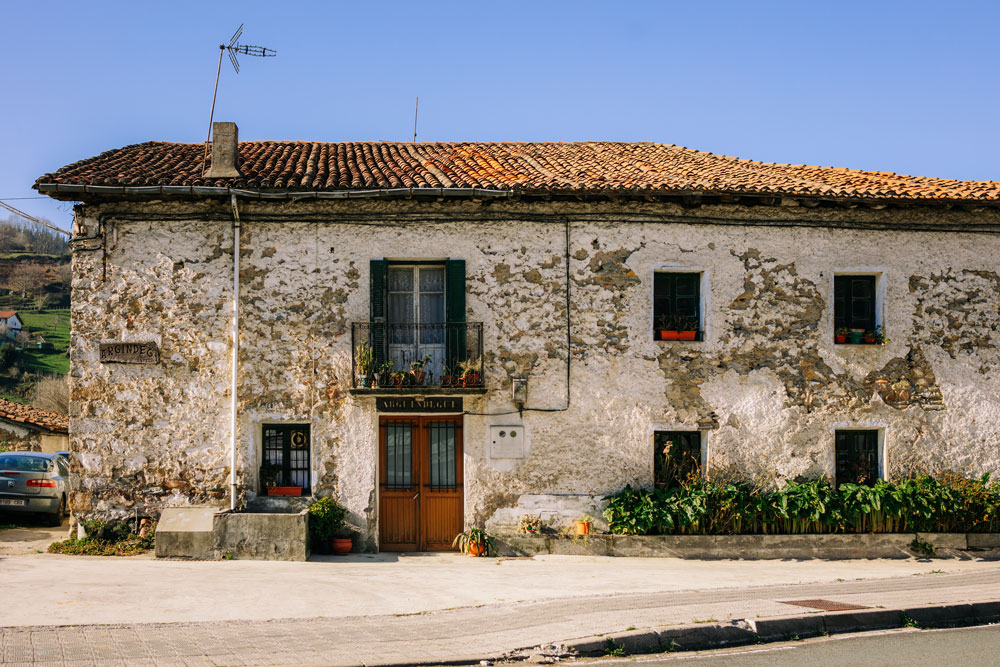
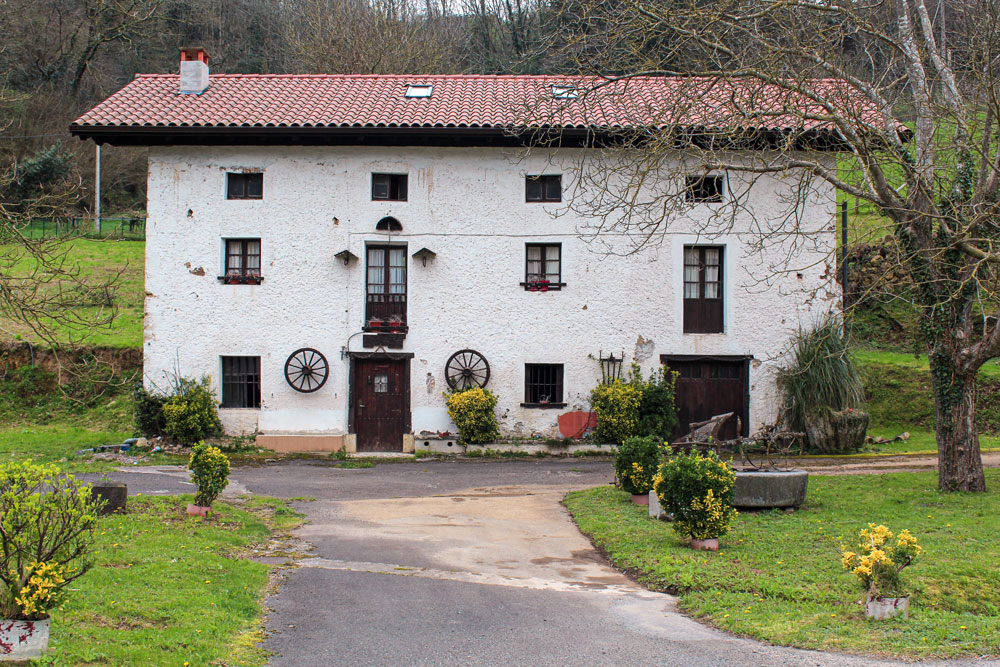
Anoeta has numerous scattered farmhouses, some of them with great patrimonial value, due to their architecture and history. For example Ardindegi –from the 15th century, and one of the firsts in Anoeta– or Ateaga –16th century farmhouse halfway to Asteasu and with a large coat of arms on the facade–.
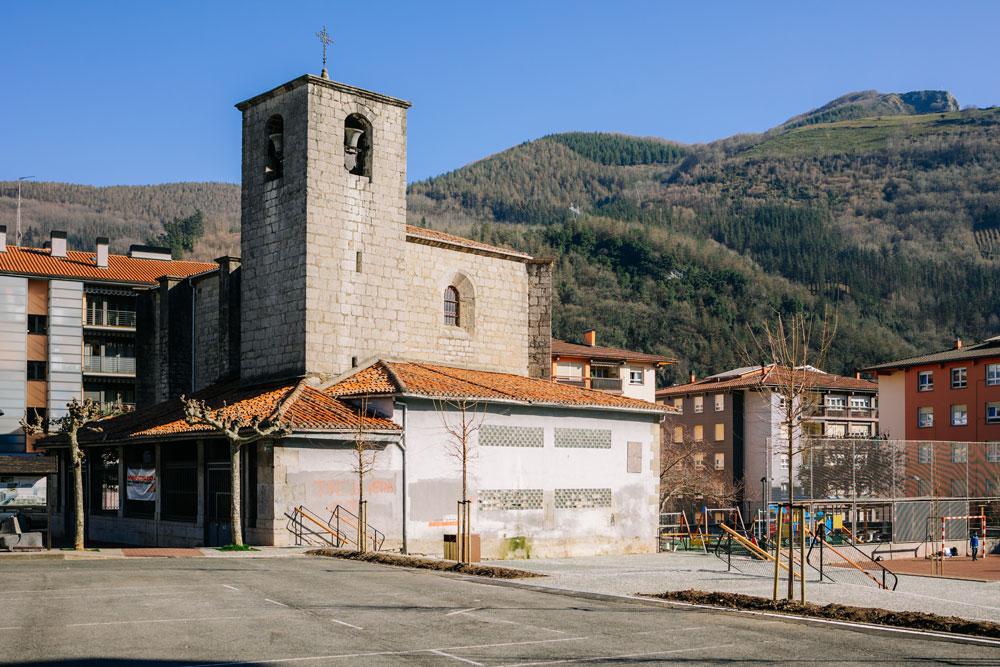
San Juan church
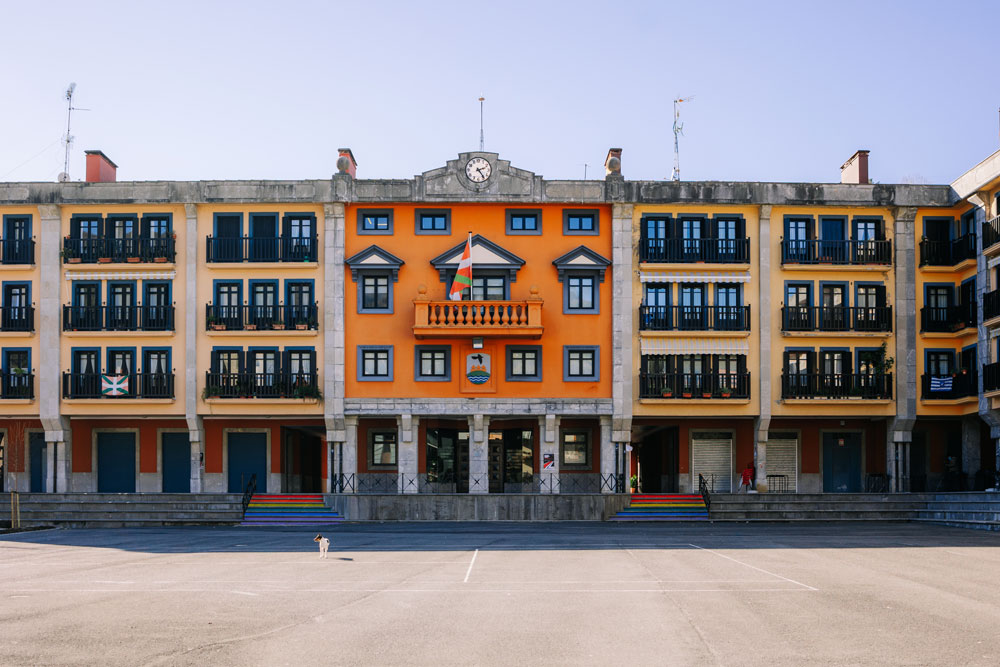
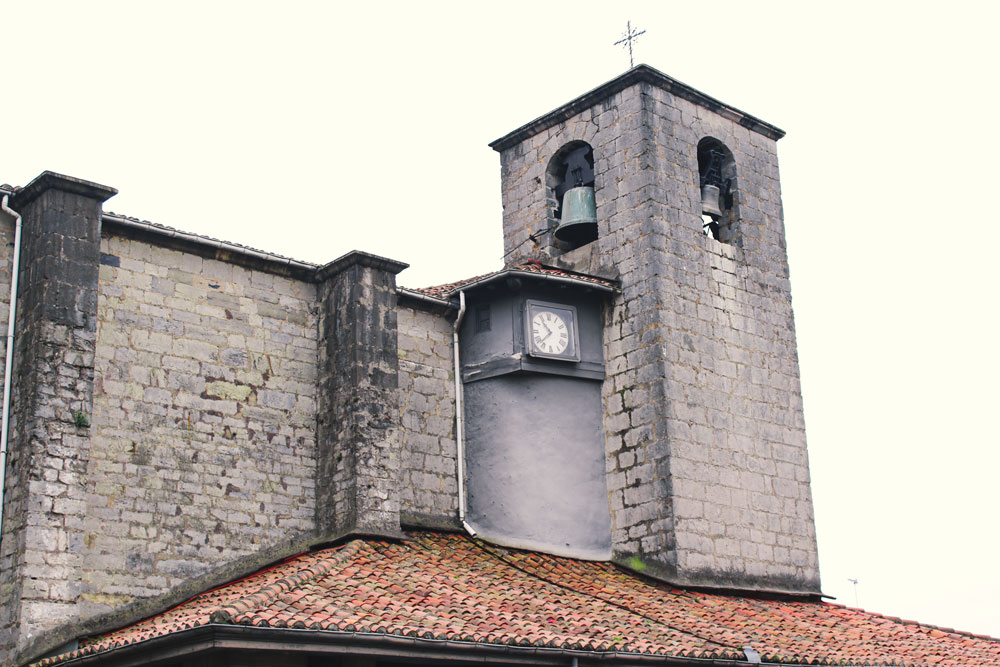
Romanesque building, from the 16th century. With Gothic style architecture, while the inside is a mix of Reinassance and Barroque styles. Next to it, the town hall square.
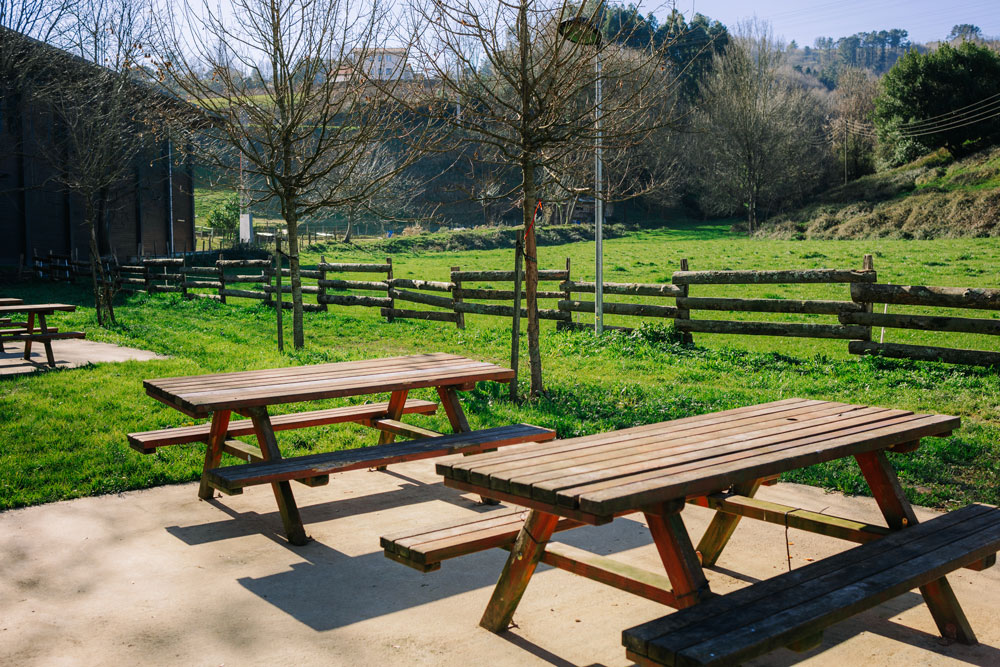
A picnic area with grills
Very close to the centre of the village, next to the sports centre, there’s a beautiful picnic area with grills and surrounded by fields, perfect to enjoy summer days. Next to it there’s a big car park.
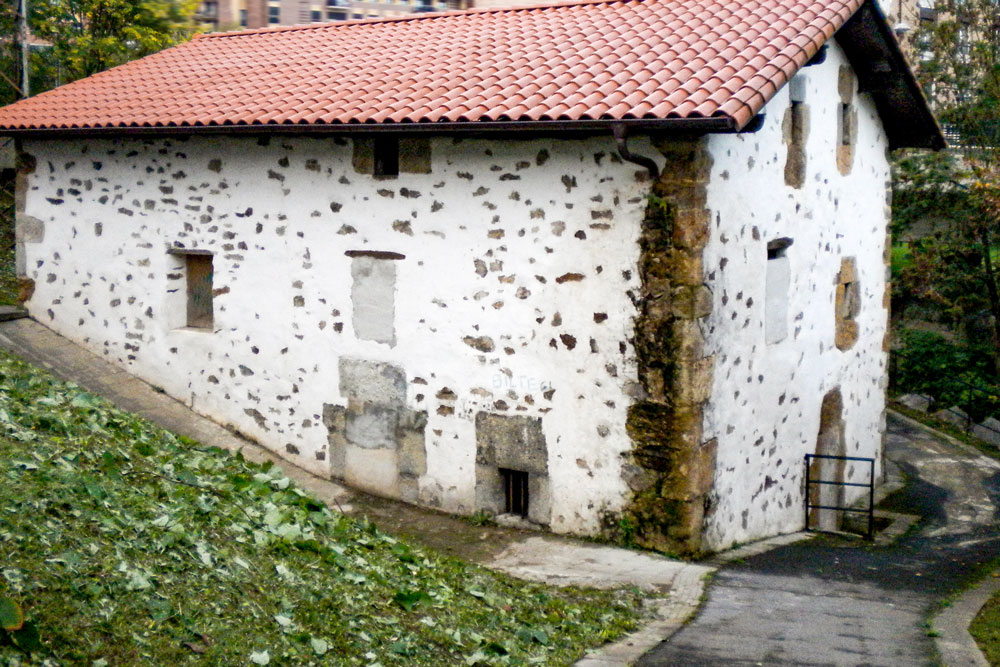
Ieratxulo mill
Located on the other side of the railway, on the path to Villabona. The first documents mentioning it are from 1551. Worth mentioning the stone arches of the drains on the bottom part.
Anoeta
in pictures
SEE ALL